Bo Chi Lam Karlsruhe e.V.
Hung Gar Kuen (洪家拳)
Hung Kuen, also known as Hung Gar Kung Fu, is a traditional southern Chinese martial art with roots in the Shaolin (Siu Lam) Temple, which also includes influences from Wu Dang martial arts.
History & Origin
The herb trader Hung Hei Gun (洪熙官) combined the Shaolin Tiger techniques (Siu Lam Fok Fu Kuen) with the soft Crane principles (Bak Hok Kuen) and developed Hung Gar Kung Fu from this.
Therefore, Hung Gar Kuen is also known as Tiger-Crane Boxing (虎鶴雙形拳). This style is based on the concept of Yin and Yang, characterized by the characteristic techniques of the Tiger and the Crane.

The Five Animals (五形拳)
The Five Animals represent different combat principles and movement patterns, which together form a complete and balanced martial art system.
Tiger
Fu
Represents strength and power, characterized by powerful, direct techniques.
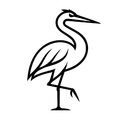
Crane
Hok
Represents elegance and precision, characterized by soft, evasive movements.
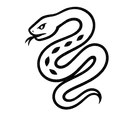
Snake
She
Symbolizes agility and quick attacks, focused on vital points.
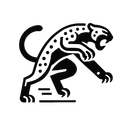
Leopard
Pau
Represents speed and agility, characterized by explosive techniques.
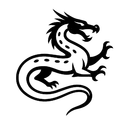
Dragon
Lung
Unites the characteristics of all animals, represents wisdom and balance.
The Five Elements (五行)
The Five Elements (Wu Xing) are fundamental concepts of the daoist philosophy (Taoism), which influence the movement principles and energetic aspects in Hung Kuen.
Wood
Mu
Represents growth, flexibility and development.
Fire
Huo
Represents energy, dynamics and transformation.
Earth
Tu
Symbolizes stability, centering and rooting.
Metal
Jin
Represents clarity, precision and strength.
Water
Shui
Symbolizes adaptability, wisdom and balance.
Characteristics
Physical Aspects
- • Strong, rooted positions
- • Powerful hand and foot techniques
- • Development of inner and outer strength
- • Focus on practical self-defense
Philosophische Grundlagen
- • Balance between hard and soft
- • Integration of Yin and Yang
- • Development of body and spirit
- • Respect for tradition and ethics